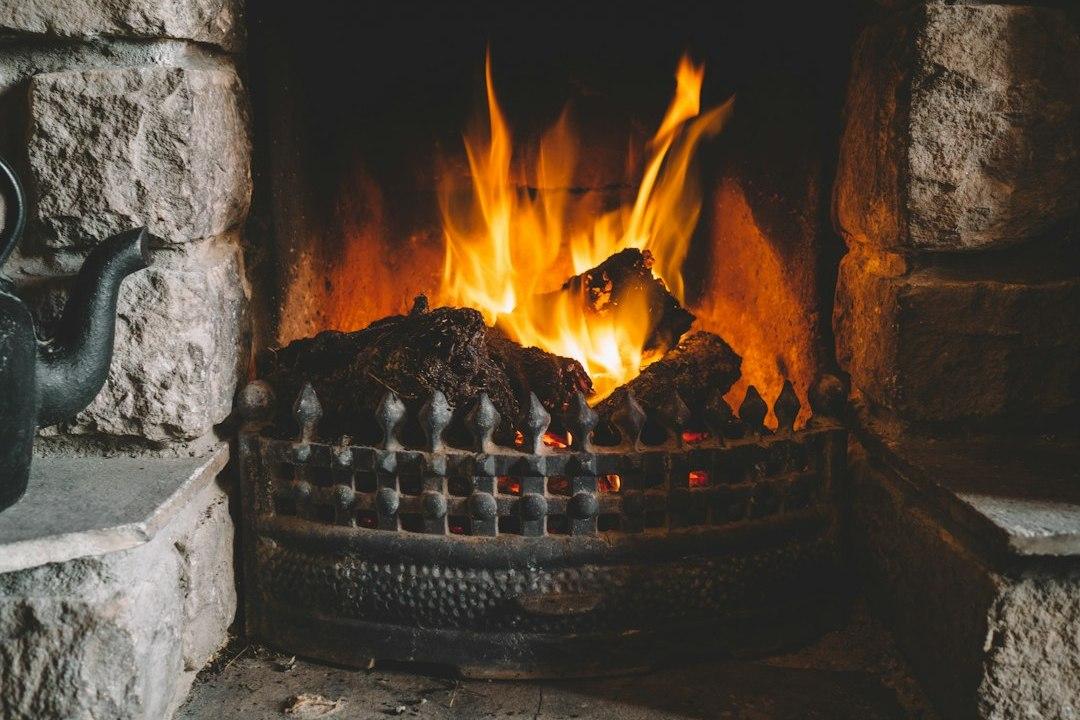
The igniter clicks and nothing catches. The pilot burns for a minute, then dies. The flame comes up orange and ragged, and the glass has gone gray. A gas fireplace that misbehaves in December raises one question for most owners in Lakewood: is it worth fixing, or is it time to put something new in? The answer turns on what has failed, how old the unit is, and what the opening and vent behind it look like.
What usually goes wrong
Gas fireplaces fail in a fairly short list of ways, and each has a likely cause.
- Clicks with no flame. Often a dirty or misaligned igniter, a weak battery in the ignition module, or a pilot orifice partly blocked by dust or a spider's web.
- Pilot lights, then drops out. Often the flame sensor that proves the pilot is lit, worn or sitting in the wrong spot, so the safety shut-off closes the gas.
- Main burner will not come up. Often the valve, the wall switch or remote, or the wiring between them.
- Ragged orange flame and soot on the glass. Often logs set in the wrong spot, a burner clogged with debris, or a vent problem starving the fire of air.
- Smell or fogging on the inside of the glass. Often a gasket or vent fault. This one needs a look before the next use.
Most of those are repairs. A few, especially vent faults and heavy corrosion inside the firebox, point toward replacement.
A note before anything else. A smell of gas is not a repair question. Get everyone outdoors, phone your gas company once you are outside, and leave the fireplace alone until they have made it safe. We come in after that.
When repair is the right call
Repair makes sense when the unit is sound and the fault is a part. The firebox has no rust holes, the glass and frame are intact, the vent is tight and the right size, and the maker still supplies parts for the model. In that case a new sensor, a cleaned pilot, a new valve or a rebuilt burner brings it back, and you keep a unit you already paid for.
On the visit we test each part in turn: ignition, pilot, valve, burner and vent. Then we tell you what failed and what it costs to put right. Gas fireplace repair does not carry a published price on our list, because it depends on the part and the model, so you get a written figure before work begins. Our gas fireplace repair page explains the visit in more detail.
When an insert is the better spend
Replacement makes sense when the problem is the unit itself, or when repairs keep coming. Signs we look for:
- rust through the firebox floor or burner tray
- a cracked or warped frame around the glass
- a vent that has separated, corroded or was never sized for the unit
- a model so old that parts are no longer sold
- a second or third repair on the same unit in a few seasons
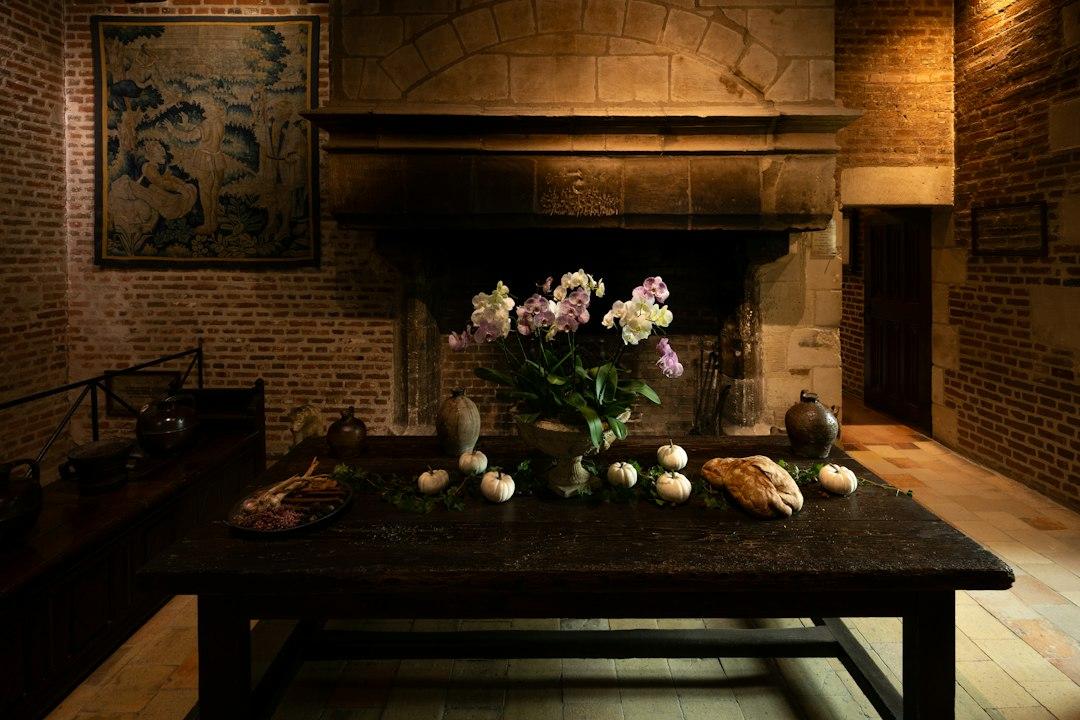
On many Lakewood homes the old gas logs or worn gas unit sits inside a masonry fireplace from the 1950s. That opening can take a sealed gas insert, a box that slides into the old firebox and vents up through a new liner inside the chimney. An insert puts far more heat into the room than open logs, and the liner protects the old flue tile from moisture in the exhaust.
If there is no fireplace where you want one, a sealed gas unit can also be framed into an outside wall and vented straight through it.
Prices for the replacement routes
| Route | Price |
|---|---|
| Sealed gas insert fitted into the masonry opening you have | $2,700 to $5,400 |
| Wall-vented gas unit framed in where there was no fireplace | $4,300 to $8,600 |
| Camera check of the flue before an insert goes in | $375 |
Where an insert lands in that range depends on the model you choose, the length of the liner run, how the gas line reaches it and the finish around the opening. Before an insert goes into an old chimney, we run the camera to make sure the flue can carry the liner and is not hiding a crack the insert would cover up.
Getting a repair or replacement figure
To start, use the quote request form at the top of this page. Describe what the fireplace does when you try it: clicks only, pilot lights and dies, burner comes up weak, or soot on the glass. Add the age of the unit if you know it and whether it sits in a brick fireplace or a metal box. That is enough for us to bring the likely parts and to tell you on the visit whether repair or an insert is the better spend.
What waiting costs
A gas fireplace that limps along is rarely a cost problem on its own. The risk is the vent. A unit that burns dirty or spills exhaust back into the room is a carbon monoxide concern, and soot on the glass is often the first sign. If yours is doing that, keep it off and have it looked at before it is used again. Every room with a gas appliance should also have a working carbon monoxide alarm nearby.
On a sale, a buyer's inspector will flag a gas unit that does not light. A repair note or a finished insert reads far better in the file than "fireplace not working".
Lakewood homes and gas units
Plenty of homes here swapped wood fires for gas logs years ago, and those logs are often still in the original brick firebox, venting through clay tile that was built for wood smoke. Many of the gas problems we see in Lakewood, Long Beach and Artesia trace back to that combination. The fireplace inserts page and the fireplace repair page cover both sides of the choice, and our post on chimney repair cost lists the other common fixes.
Next step
Whether your unit needs a part or a successor, start on the contact page. We will tell you which one, and what it costs.
Same Trouble on Your Chimney?
Benton starts from the sign you noticed, traces it to the failed part and prices each repair on its own line. Our crews work out of Lakewood for homes in Artesia, Long Beach, Westminster and nearby cities.