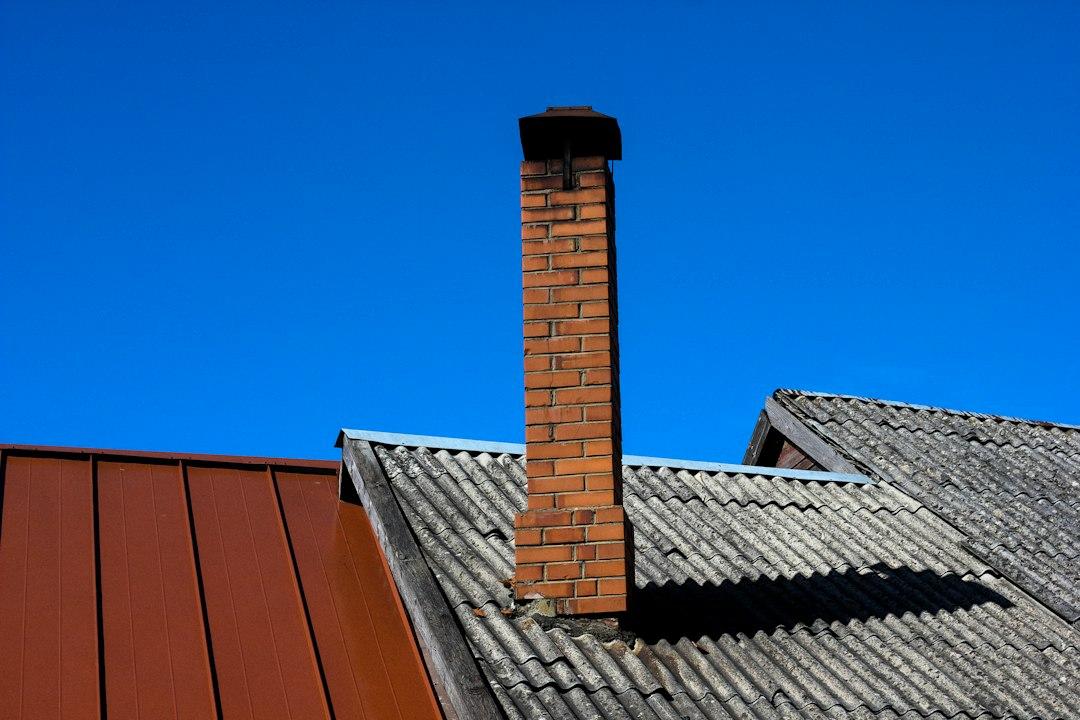
A homeowner in Lakewood gets two quotes for the same chimney. One says "rebuild above roofline" and gives a single number. The other lists a cracked crown, two open mortar joints and lifted flashing, each with its own line, and comes in at a third of the price. Which one is right? Possibly both, possibly neither. The way to tell is not the total. It is what each quote shows about how the company found the problem.
The cause should come before the cure
A good repair company tells you why the chimney is failing before it tells you what to buy. "Crown cracked" is a finding. "Crown cracked because it was laid flat with no overhang, so rain sits on it and soaks into the joints below" is a cause, and it tells you the fix has to change the shape, not just fill the crack.
When you read a quote, look for that second kind of sentence on every line. If a quote only names parts to replace, ask the company what made each one fail. A company that knows will answer in a sentence. One that does not will talk about how old the chimney is.
Photos, from where you cannot stand
Most owners never see the top of their own chimney. That is the gap a poor contractor works in. Before you agree to anything, you should have photos of the crown, the flue opening, the flashing on every side and the brick above the roof, and if the flue is involved, still frames or video from a camera run.
Our reports put each photo next to the line it supports. If a quote mentions a fault and there is no picture of it, ask for one.
A scope you could hand to someone else
The test of a written quote is whether a second company could price the same job from it. That means the quote names:
- each part being repaired or replaced, and where it is on the chimney
- the material going in, such as a stainless cap, new step and counter metal, or a poured crown with an overhang
- what is being removed and hauled away
- what happens if the work uncovers something worse, and how that would be priced
- what you receive at the end: photos, a note of what was done, and the date
A one-line quote fails this test even when the price is fair, because you cannot compare it, and you cannot tell later whether the job was done.
Published prices where a job repeats
Some chimney jobs are routine enough that a company can price them before visiting. We publish ours: a cricket $430 to $970, a cricket with a full new set of flashing $645 to $1,600, and tracing and stopping a leak $540 to $3,200. A camera inspection is $375 and a visual one is $52. A cap is quoted after we measure, since cap size, metal and flue count shape the price.
When a company will not give even a range for a routine job like a cricket, ask why. When a company gives a fixed price for a job that cannot be known in advance, such as a crown recast or a liner, ask what happens when they find more than they expected. Our chimney repair cost post shows how we split the two groups.
Signs a quote deserves a second opinion
None of these prove a company is wrong. Each is a reason to get another look before you sign.
- Rebuild first, with no repair option offered. Many chimneys called "ready to come down" need the top few courses relaid, not the whole stack.
- A fear line with no photo. "Your chimney could collapse" should come with a picture of the crack, the lean or the loose brick.
- A deposit before a scope. You should know what you are paying for before you pay.
- Waterproofing sold as a cure. A sealer helps sound brick shed rain. It does not fix cracked crowns, open joints or bad flashing, and it can trap water if applied over them.
- No mention of the flue on a smoke or odor complaint. Smoke in the room is rarely solved from the outside of the chimney.
How we work a repair in Lakewood
Our angle is simple: start from what is failing now. On a typical visit we ask what you have noticed, climb to the part that matches the symptom, then check the rest so nothing gets missed. You get the cause, the fix and the cost of each item, plus a note of which ones can wait and what waiting is likely to cost.
That last part matters. Plenty of homes here have one urgent problem and three slow ones. We would rather you fix the urgent one now and budget for the others than pay for all four at once because a quote made them sound equal. The staged repair page shows how we lay that out.
What to send for a quote
The quote request form at the top of this page is enough to get started. Describe what you see and where: the crack runs across the top of the chimney, the stain sits on the hallway ceiling, the mortar grit gathers in the firebox. Mention any quote you already have and what it recommends, and we will tell you on the visit whether we agree and why.
Close to home
We cover Lakewood, Long Beach, Artesia, Westminster and the towns around them, and our areas page lists the rest. For the repairs themselves, the chimney repair, masonry repair and crown repair pages go deeper.
When you are ready for a quote that explains itself, the contact page is where it begins.
Same Trouble on Your Chimney?
Benton starts from the sign you noticed, traces it to the failed part and prices each repair on its own line. Our crews work out of Lakewood for homes in Artesia, Long Beach, Westminster and nearby cities.