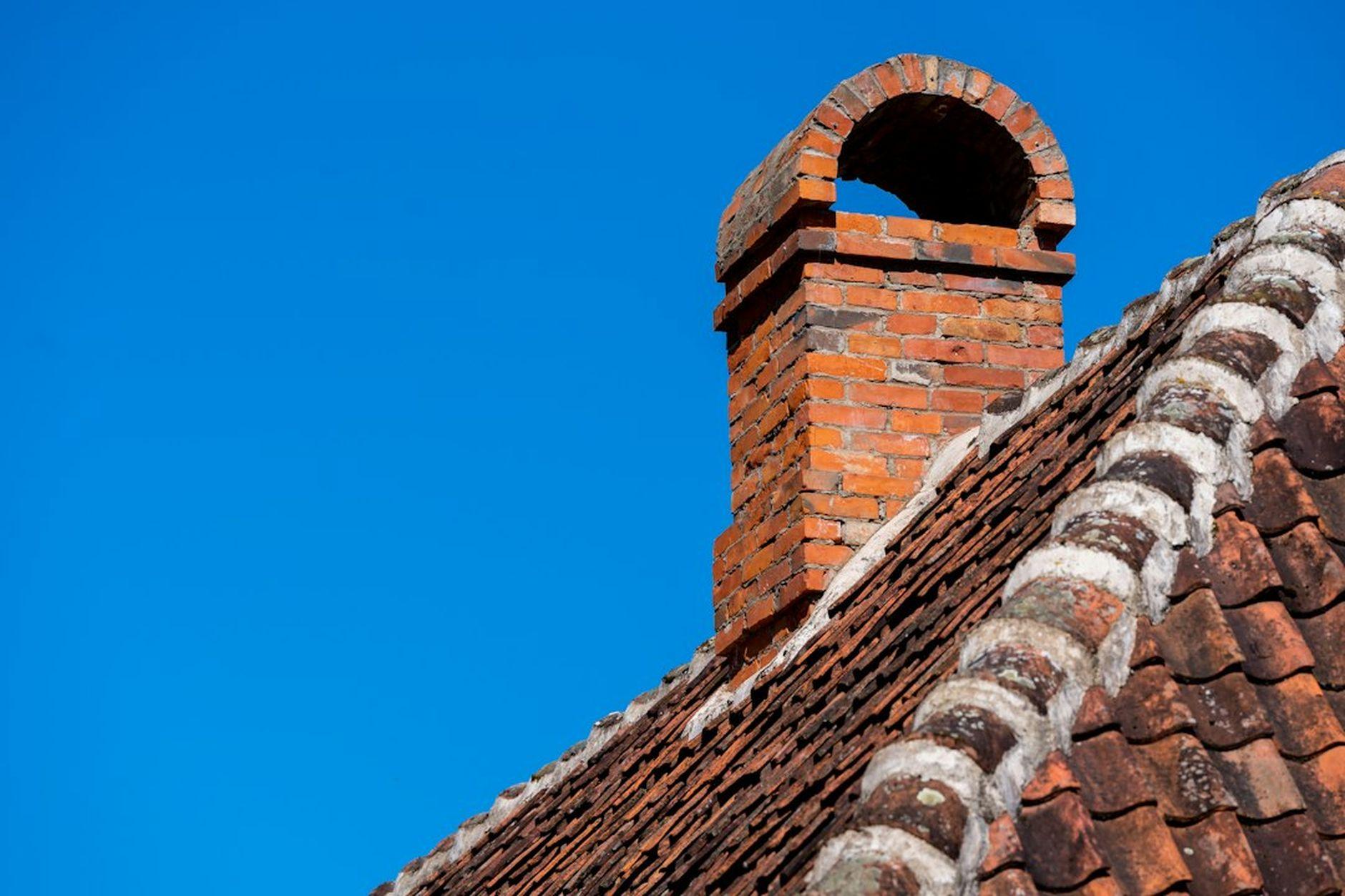
Sand on the hearth that was not there last month. A brown ring on the ceiling after the first storm. A smell of old smoke on a hot afternoon. Each of those is a chimney asking for work, and each one points to a different job with a different price. Here is what Benton Chimney Company charges for the common fixes in Lakewood, which jobs carry a published range, and which ones need a visit before anyone can put a figure on them honestly.
Start with the symptom, not the price
People ring up asking what a chimney repair costs. The trouble is that "chimney repair" covers a cap that fits in one hand and a stack that has to come down to the roof. The symptom narrows it down fast, and it usually tells us which part of the chimney to climb to first:
- Water inside after rain points at the cap, the crown, the flashing or the face of the brick.
- Grit or flakes in the firebox points at failing mortar, a broken flue tile or brick that is shedding its face.
- Smoke drifting into the room points at the damper, a blockage, or a flue that does not match the fireplace.
- A gap opening between chimney and wall points at movement, often from a past quake, and that one is structural.
- A gas fireplace that lights and then dies points at the pilot parts, the valve or the vent.
Two of those (smoke in the room and a widening gap) mean the fireplace should stay cold until someone has looked. The others can usually wait for a booked visit, though not for a whole winter.
Published prices for the common fixes
These are the jobs we do often enough to price ahead. Each range covers the spread we see across houses in and around Lakewood, from a short stack on a single-story roof to a taller one on a steeper pitch.
| Job | Price |
|---|---|
| Camera inspection of the whole flue, written report | $375 |
| Visual inspection of fireplace and chimney | $52 |
| Sweeping a wood-burning flue | from $405 |
| Tracing a leak and fixing its source | $540 to $3,200 |
| Cricket on the high side of a wide stack | $430 to $970 |
| Cricket and a fresh set of roof flashing | $645 to $1,600 |
A cap is quoted on site. Cap size, metal and flue count set its price.
Where a job lands inside its range comes down to the house. A ranch home with a low roof and a single flue sits near the bottom. A two-story home with a steep tile roof, two flues sharing one stack and old tar smeared over the flashing sits nearer the top, because there is more to strip off before the new work goes on.
Jobs that need a look first
Some repairs swing too widely to price from a phone call. Crown work, relining, damper replacement, a chase cover, flashing by itself and general masonry all fall into this group. A cracked crown might take a sealing coat, or it might have to be broken off and poured again. A flue might need one section of tile, or a stainless liner from the firebox to the top. Until we have seen it, any figure would be a guess, so each of these comes to you as a written quote that spells out the scope, the materials and what is included.
Rebuilds sit here too. When brick above the roofline has gone soft and moves under a hand, or the stack has started to tip, the price depends on how far down the sound courses begin. We find that out on the roof, not on the phone.
Getting a figure for your chimney
The fastest route to a price is the quote request form at the top of this page. In the message box, say what you have noticed and where: the stain is on the bedroom ceiling two feet from the chimney wall, or the grit collects at the back of the firebox. That one line tells us which repair to price and which tools to bring. If the job carries a published range we confirm where it lands once we are on site; if it does not, you get the written quote before any work is booked.
What waiting costs
A repair-first company should tell you what happens if you put a job off. Here is what we see when a small fault gets a few more winters.
- A missing cap. Rain falls on the damper and the smoke chamber. The damper rusts shut, the mortar in the chamber softens, and a cap job turns into a damper job and a masonry job.
- A cracked crown. Water gets into the top few courses of brick. Each season the cracks open a little wider and the mortar below breaks down. A sealing job turns into a recast, and a recast can turn into rebuilding the top of the stack.
- Lifted flashing. Water runs along the framing beside the chimney long before it shows on a ceiling. By the time the stain appears, the wood behind it has been wet for a while.
- A cracked flue tile. Heat and smoke reach the brick and, at worst, the wood near it. This is not a wait-and-see item. The fireplace stays off until it is fixed.
That is the reason our reports sort repairs by what they do to the house if left alone, and why the up to code repairs page splits a long list into rounds you can fund one at a time.
Lakewood chimneys and what we see most
Much of Lakewood's housing went up in the early 1950s, so many chimneys here are around seventy years old. Most are brick, many sit on an outside wall, and most were lined with clay tile when they were built. At that age the mortar joints near the top have taken decades of sun and winter rain, and the crown was often a thin layer of mortar that was never meant to last this long.
Older quakes in the region also left their mark. Some stacks took small cracks that nobody noticed at the time and have widened slowly since. When we find that kind of crack, the report says so plainly, and we show you the photo of where it runs. Our chimney repair service page covers the masonry side in more depth, and the flashing repair page covers the roof joint.
If the symptom is water, read flashing repair or leak repair next. If the brick at the top is cracked, read our post on cracked crown repair.
Bringing it back to your house
Every chimney in Lakewood that we price starts the same way: a symptom, a visit, a cause, a figure. Whether you already know what is wrong or only know that something is off, start on our contact page and we will take it from the first sign onward.
Same Trouble on Your Chimney?
Benton starts from the sign you noticed, traces it to the failed part and prices each repair on its own line. Our crews work out of Lakewood for homes in Artesia, Long Beach, Westminster and nearby cities.