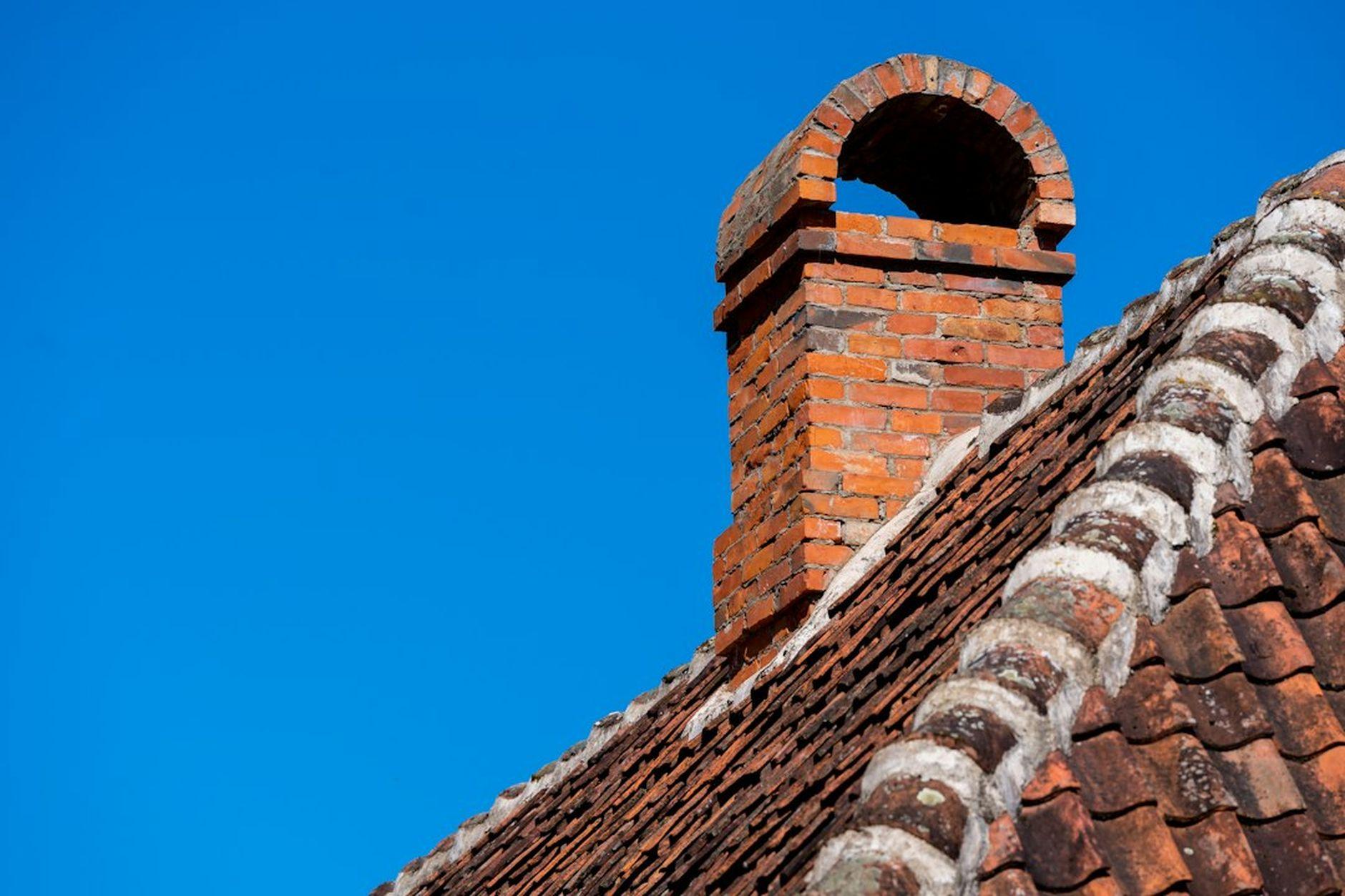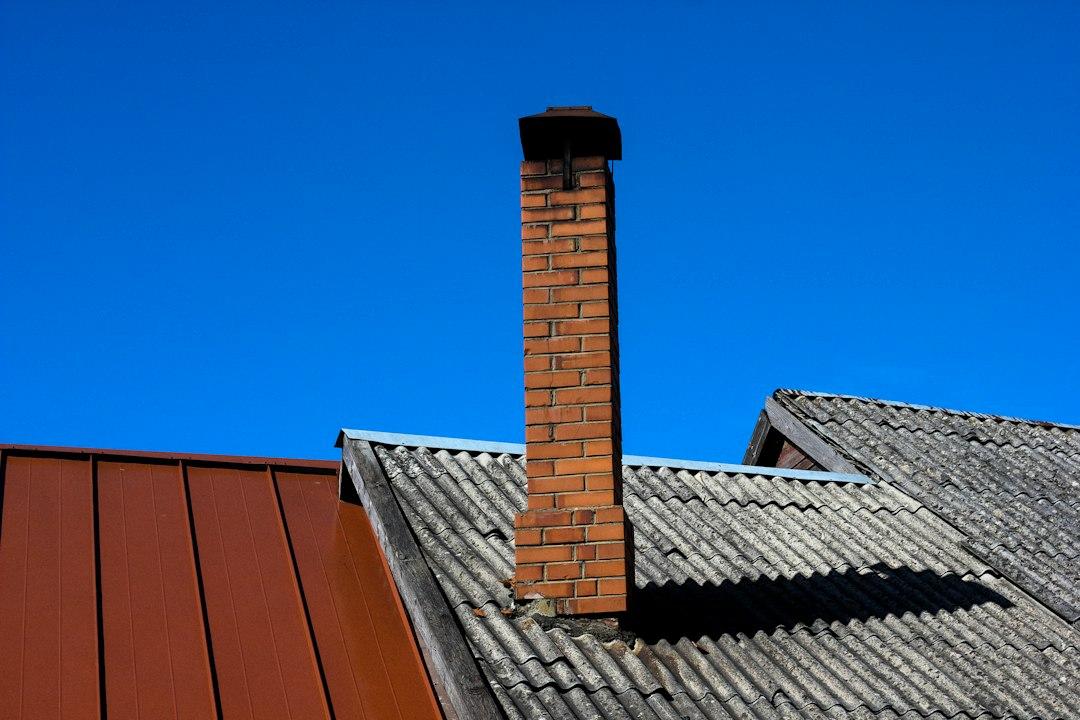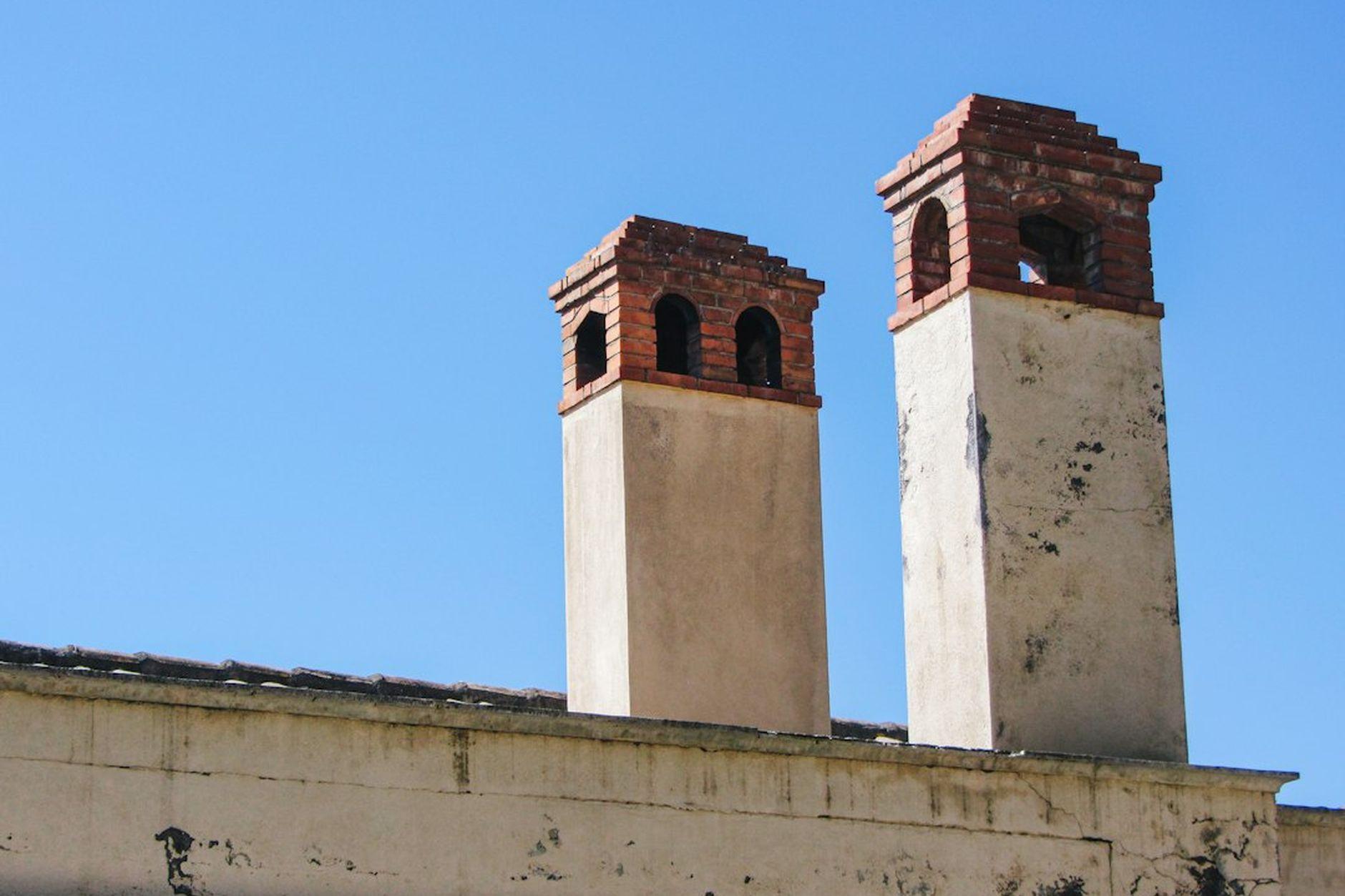
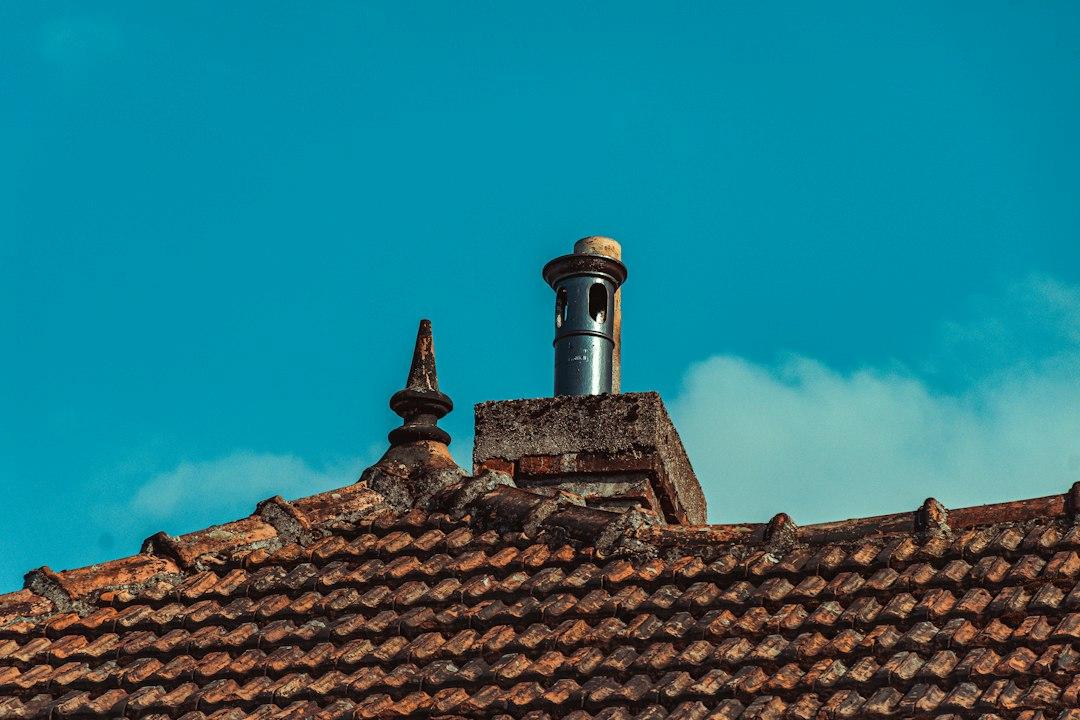
Wet drywall beside the fireplace. A drip that lands on the hearth during a long storm. Paint lifting on the wall above the mantel. Homeowners in Lakewood who see any of these usually ask us for one of two things: "fix my flashing" or "fix my leak". They sound alike, but they are priced and scoped differently, and picking the wrong one means paying for a repair that leaves the water still coming in.
Four ways in, one stain
Water that shows up near a chimney can enter at four points, and they leave similar marks inside:
- The roof joint. The metal where the roof meets the brick has lifted, rusted through or was only ever sealed with tar. This is the flashing.
- The top of the chimney. A cracked crown or a missing cap lets rain in from above, and it travels down inside the masonry.
- The brick itself. Old brick and worn mortar soak water up like a sponge in a long storm, and it comes through on the inside.
- The uphill side of the stack. Where a broad stack interrupts the fall of the roof, rain and leaf litter pile behind it and work under whatever is there.
One stain can have two or three of those behind it at once. That is why the order of the visit matters.
When the job is flashing repair
Flashing is the most common source on the houses we see, and it fails in a few familiar ways. Sun cooks the sealant until it cracks. Someone reroofed and bent the old metal back down instead of fitting new. A previous repair used roofing tar instead of metal, and the tar has shrunk away from the brick. On a ranch roof in Lakewood it is often visible from a ladder: a lifted edge, daylight under the metal, or a black smear of patching where there should be a clean joint.
If that is all that is wrong, the job is flashing repair: the old metal and tar come out, new metal goes in and is tied into the brick properly, and the roof around it is made good. Flashing work on its own does not carry a published price on our list, because the length of the joint, the roof covering and the state of the mortar it ties into change from house to house. You get a written figure once we have been up there. More on that job sits on our flashing repair page.
When the job is leak repair
Leak repair is the broader job. We take it on when the source is not obvious, when there is more than one, or when an earlier flashing fix did not stop the water. It starts with tracing: checking the cap and crown, the brick face, the mortar, the flashing and the uphill side, and testing the suspect areas until the water shows itself. Then every source we find gets fixed in the same booking.
That is why leak repair carries a range on our price list. It covers the tracing and the work that follows, from resealing one joint to fixing a crown, renewing flashing and treating the brick.
Prices side by side
| Fix | Price |
|---|---|
| Finding every source and closing it | $540 to $3,200 |
| Cricket on the uphill side of the stack | $430 to $970 |
| Cricket built along with new roof flashing | $645 to $1,600 |
| Flashing by itself | written quote after a roof visit |
| Rain cap over the flue | quoted after we measure |
A cricket belongs on any chimney wide enough that water banks up behind it. If your stack is broad and sits across the slope, ask about the cricket and new flashing together: doing both at once costs less than doing them in two visits, and the new metal is fitted around the cricket from the start. Our post on chimney repair cost in Lakewood lists the other common fixes.
Which one to book
Here is the short version we give on the phone:
- You can see the fault, and it is only the roof joint. Book flashing repair.
- You cannot see the fault, or you see more than one. Book leak repair.
- Someone already fixed the flashing and it still leaks. Book leak repair. The flashing was not the only source.
- The stain only appears in long, heavy storms. Often brick or crown. Book leak repair.
If you are not sure, the quote request form at the top of this page is the place to start. Say which room the water shows in, how far it sits from the chimney, and whether it follows every rain or only the long ones. That tells us which of the two jobs to quote and whether the roof needs a ladder or a full harness.
What happens if you leave it
Water near a chimney is not just a stain problem. Framing beside the stack stays wet and starts to rot. Insulation in the attic packs down and stops working. Inside the chimney, water breaks down the mortar and rusts the damper. A winter or two later, a flashing repair has become a flashing repair plus a damper, some rotten decking and a ceiling patch.
Lakewood does not get many storms in a year, which is part of the trouble: a leak that shows twice a winter is easy to forget by spring. Then the next wet season finds the same gap, a little bigger.
After the work
Each job ends with photos of the finished flashing, crown or brick and a note of what was found and fixed. If the house is going to be sold, that note goes into the disclosure file. Buyers read "chimney leak repaired, sources found and closed" very differently from "stain near fireplace, cause unknown". Our chimney leak repair page and waterproofing page cover the masonry side of the job.
Next move
Whichever of the two jobs it turns out to be, the first call is the same. Head to our contact page, say where the water lands, and we will come and find out where it starts.
Same Trouble on Your Chimney?
Benton starts from the sign you noticed, traces it to the failed part and prices each repair on its own line. Our crews work out of Lakewood for homes in Artesia, Long Beach, Westminster and nearby cities.